It is important that new and prospective members should have the correct gear before embarking on their first hillwalk. Please look at the gear listed below for an idea of what is required.
For information on what grade of walk new members should start with and for the general rules of the club, please visit our Club Info & Rules page.
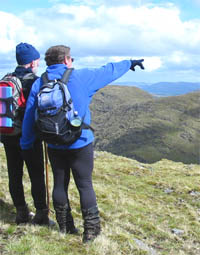
Hillwalking Gear
It may sound obvious but many people new to hillwalking do not appreciate how difficult it can be walking on Irish mountains. At the base of the mountain, it may seem mild and calm while at the summit, the temperature can be 5 to 10 degrees cooler with a howling wind.
As an island out in the Atlantic, Ireland gets more than its fair share of rain and weather conditions on the hills can change rapidly. More often than not, there are no tracks and the ground can be wet and boggy. It pays to have good gear, especially the correct type of boots and jacket.
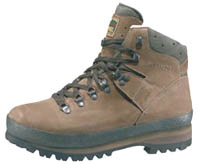
Boots
For Irish conditions, you need boots that can:
- Handle the wet boggy conditions and keep your feet dry
- Give a good grip on soft slippery surfaces
- Provide ankle support
Good hillwalking stores sell popular brands like Meindl. You should expect to pay in excess of €100 for a good pair. You really need to go into a good hillwalking store and see what type of boot suits your feet rather than buying a pair over the Internet.
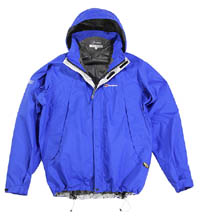
Jacket
There are many different types. Some are light and suitable only for mild conditions while others are suitable for the harshest of winter conditions. A good jacket should:
- Be made from a material like Gore-Tex and be breathable. It should let moisture from sweat pass through yet keep out the rain.
- Have plenty of pockets for gloves, scarves, etc.
- Have a storm flap at the front to prevent rain getting through the zip
- Provide protection from the wind.
It's probably best to buy them in a good local hillwalking store rather than over the Internet.
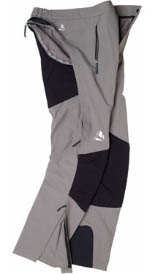
Trousers
Light trousers or tracksuit bottoms can be worn. The idea is that if they get wet, they should be able to dry out quickly. Denim jeans should NEVER be worn. When they get damp, whether it is due to rain or sweat, they will cling onto your legs impeding movement and conducting heat away from your body.
Some of the better products are made from a stretchable material which dries out very quickly. In the summer time, shorts are ideal. Because your legs are doing most of the work, they tend to stay warm regardless of conditions.
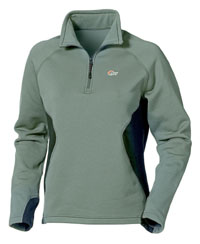
Vests, Tops & Fleece
The best type of undergarment to wear is a thermal vest. Cotton T-shirts should be avoided. The problem with cotton is that it tends to get damp with sweat and does not dry out easily — a damp cold T-shirt conducts heat away from the walker making them feel cold.
Thermal vests are made from man-made materials and allow a process called wicking to occur. The material takes the sweat away from the skin and transfers it to the outside of the garment where it evaporates easily. Typical good makes are Helly Hansen, Berghaus, Lowe Alpine, etc.
The next layer above the thermal vest should be a good fleece. It pays to get a good brand that is a snug fit rather than the cheaper baggy variety which allow draughts of cold air to get in.
More often than not, that's all you need to wear on top — a thermal vest, a good fleece and then the jacket.
Rucksacks
Most beginners think a rucksack is a rucksack, somewhere where you stick your lunch and flask. As with all things in hillwalking, you get what you pay for.
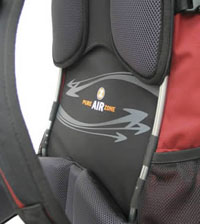
The problem with a typical cheap rucksack (~€20) is that it may not have padding and will probably be flat. These can rest in the small of the back creating a damp spot that goes cold once you stop. The better quality rucksacks will have an internal frame which leaves a gap between the bag and the walker's back. They often have pull-out rain covers as well.
Walking Poles
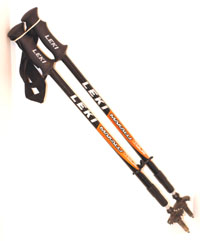
These are a matter of personal preference. Some people swear by them, some don't. They can take a lot of the pressure off the knees and legs, especially when walking downhill. It is probably best to borrow a pair or buy a cheap pair before you commit to buying a good set.
Other Essentials
Compass & Maps
Not required by beginners as the walk leader does the navigating. Useful at a later stage if you want to learn the basics.
Flask
A hot drink on a cold day helps a lot. You can buy more robust versions in good hillwalking stores.
Emergency Bag
Large orange emergency bags can be purchased cheaply. Used to keep dry in an accident and doubles as a seat on wet ground.
Fold-Away Mat
Unfold and sit on it. You'll appreciate it when trying to find a dry spot to sit down.
Gloves
Buy two types: a light pair for slight chill and a heavy pair for winter conditions. Hands are the first to get cold.
Now that you know the gear, read our walk grades to find the right walks for your level. Ready to join? Download the membership form.